The annual CAMS report on air quality in Europe, written by researchers at NILU, shows that air quality continues to improve. However, some parts of Europe still experience local air pollution situations driven by a combination of emissions and seasonal weather conditions.
Emissions of the main pollutants, which are regulated by the Ambient Air Quality Directive, are declining across the continent. This gives a clear indication of the success of long-standing air quality policies, technological improvements and cleaner, more efficient industrial and transport systems.
“Europe continues to make steady progress in improving air quality thanks to sustained efforts to reduce emissions from transport, industry, residential heating, and other key sectors,” says CAMS Director Laurence Rouil.
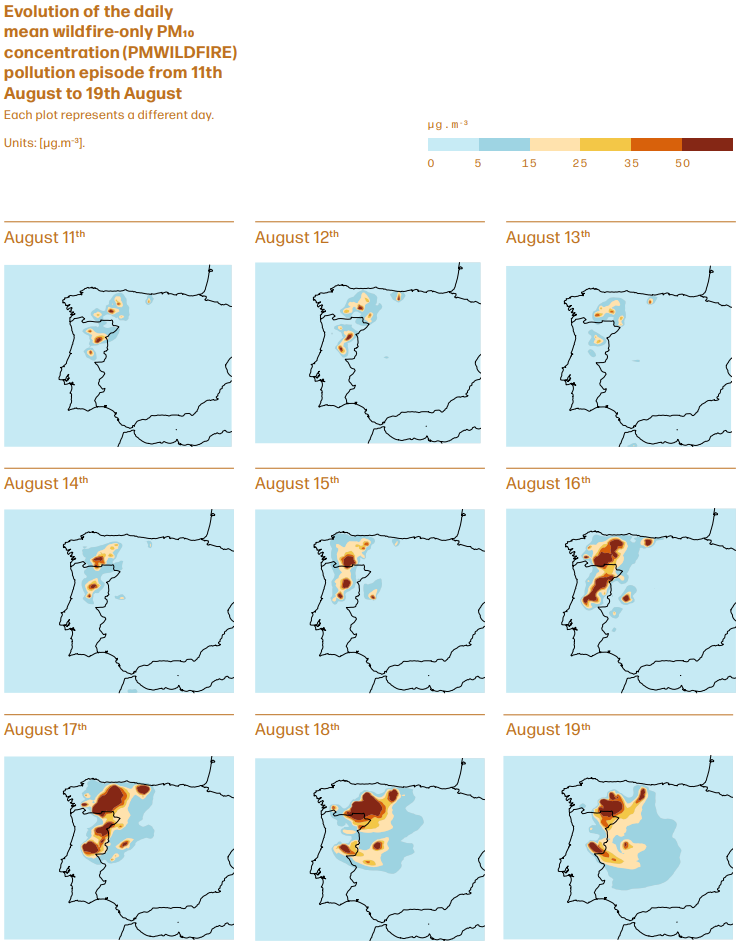
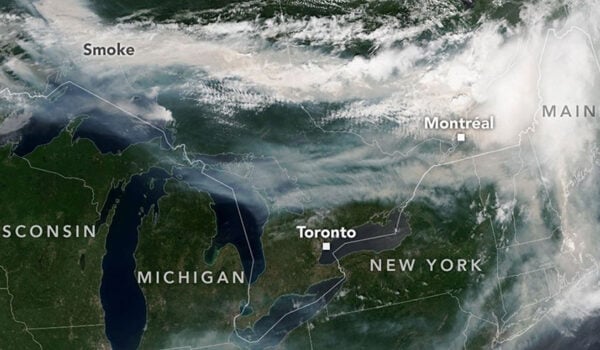
However, some parts of Europe continue to experience situations of major air pollution episodes. This is especially true during cold and stable meteorological conditions in winter and heat waves in summer. Europe also experienced severe forest fires in the summer of 2025 that contributed to episodes of particulate pollution.
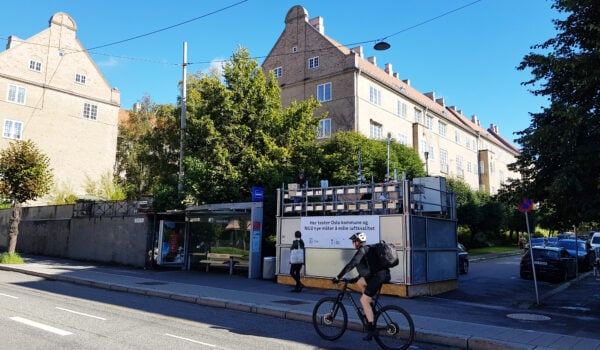
Monitoring stations across Europe
These are the findings in the Copernicus Atmosphere Monitoring Service (CAMS) report on European air quality in 2025, which was recently published. The main authors behind the report are senior researchers Paul Hamer, Joana Soares and Leonor Tarrasón at NILU.
The CAMS report is based on data from CAMS’ European air quality analysis, which uses observations from monitoring stations across Europe. It provides information on air quality trends and selected major events for the main pollutants: ozone, nitrogen dioxide (NO2) and coarse and fine particulate matter (PM10 and PM2.5). They all pose a risk to human health and the environment.
“By combining observations and advanced atmospheric modelling, CAMS provides a consistent European perspective on air quality, helping policymakers and national authorities better understand both long-term trends and the drivers behind major pollution episodes,” says Rouil.
Emissions are falling, policy is working
The overall picture remains positive, with air quality steadily improving across Europe. Emissions of the most important air pollutants have been steadily decreasing thanks to decades of environmental policies, technological advances and cleaner industrial and transport systems.
Since 2015, emissions of sulphur oxides (SOx) and nitrogen oxides (NOx) have fallen by approximately 3–5% per year across the European Union, with the most significant reductions achieved in industry and road transport. Industrial emissions of SOx have fallen by 59%, while NOx emissions from industry have declined by 39%. Road transport emissions have also fallen substantially, with reductions of 40% for NOx and 34% for PM2.5.
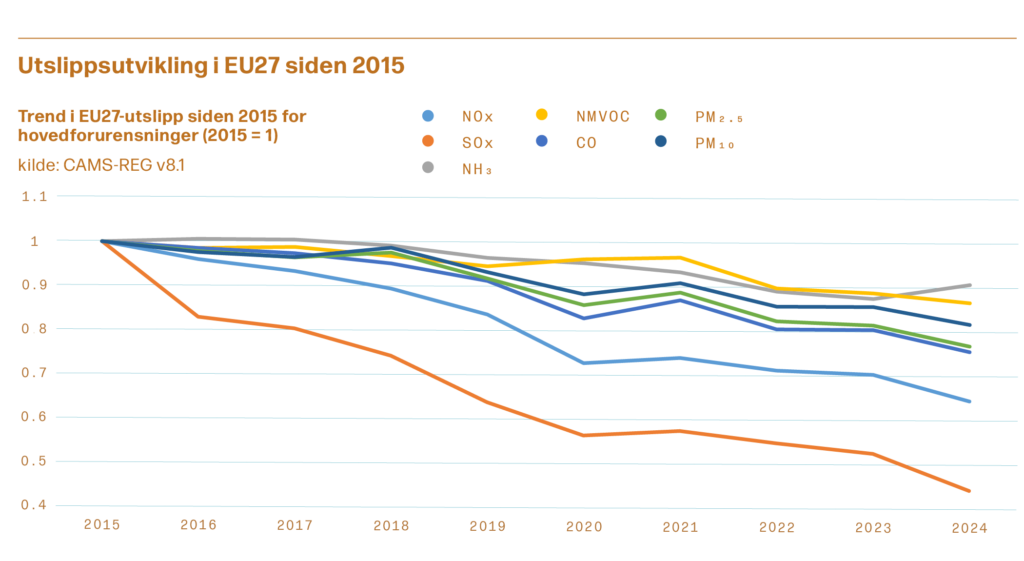
These reductions highlight the effectiveness of European emission reduction policies. Despite continued economic activity, emissions are increasingly becoming decoupled from industrial production and transport demand. This progress is further supported by emission reduction commitments under the EU National Emission Reduction Commitments (NEC) Directive, which establishes legally binding national limits for each EU Member State to reduce key emissions that harm human health and the environment.
Temperature extremes influence seasonal air quality
Despite progress in cutting overall emissions, the report warns that environmental pressures are becoming an increasingly important factor in determining air quality outcomes across Europe.
According to the European State of the Climate 2025 report , 2025 was the third warmest year on record in Europe, while also characterized by marked regional differences. These conditions had important implications for air quality across Europe. High temperatures, intense sunlight and stagnant atmospheric conditions created favourable conditions for ozone formation during summer, while prolonged dry conditions contributed to severe wildfire activity in parts of southern Europe.
“The wildfires in August 2025 showed how closely these hazardous events are connected to air quality. In addition to elevating the levels of particulate matter at the surface level, the fire plumes also contributed to the increase in surface ozone levels in northern Portugal and Spain, because the release of significant amount of ozone precursors which react in sunlight as the smoke travels,” says Paul Hamer, senior researcher at NILU and lead author of the report.
A colder-than-average winter also contributed to elevated particle concentrations, mainly as a result of emissions from heating.
Source:
The Annual Assessment Report on European Air Quality 2025, Executive Summary and accompanying article are available HERE.