Employee
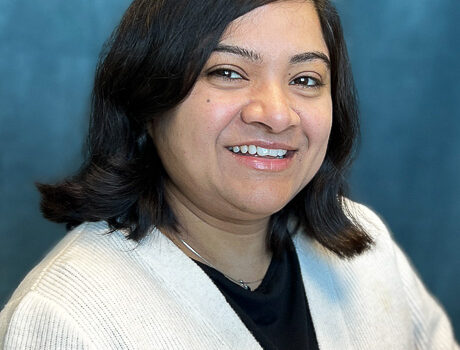
Tanima SenGupta (PhD in Molecular Biology) is a Senior Scientist at NILU at the Health Effect Laboratory MILK. She has an extensive research background focused on DNA damage and repair, mutagenesis, mitochondrial dysfunction, DNA and RNA sequencing, gene expression analysis, epigenetic alterations, and cell death pathways. She also brings considerable experience in neurodegenerative diseases, including Parkinson’s disease and Alzheimer’s disease, with a dedicated focus on the molecular mechanisms underlying brain health and aging, alongside her work in cancer research. Her research integrates cross-model validation using human cell lines, C. elegans and mouse models to enhance translational relevance. In her 18 years of scientific career, she has published in several high-impact journals, including Nature Communications, Cell, Nature Biomedical Engineering, and Cell Reports.
At NILU, Tanima SenGupta has been actively involved in multidisciplinary EU research projects (including PROPLANET, ANALYST, GOTTARG, PARC, and NEXED) addressing complex challenges at the intersection of environmental and human health. Her current work focuses on the integrated hazard and risk assessment of genotoxicants, non-genotoxicants, chemical mixtures, and environmental pollutants, particularly those affecting ecosystems, air quality, and the plastic value chain. She employs a combination of human cell lines, advanced human in vitro models, and the bridging model C. elegans model to support mechanistic and translational insights. Her research is guided by frameworks such as Safe and Sustainable by Design (SSbD), the One Health approach, and OECD test guidelines, contributing to both regulatory science and sustainable innovation.
At NILU, she has also established a dedicated C. elegans laboratory facility to support the development of New Approach Methodologies (NAMs), where she focuses on reproductive and developmental toxicity of human and environmental toxicants.
In a new role, she serves as a co-supervisor for a doctoral candidate in the MSCA-funded NEXED program (started in 2025), contributing to the training and mentorship of the next generation of researchers in environmental and health sciences. Her work aims to generate novel mechanistic insights and promote cross-species endocrine disruption (ED) assessment, applying a One Health approach to bridge environmental and human health research.