ECLIPSE
From the NILU annual report: Could emission abatement of short-lived climate pollutants help mitigate climate change?
From NILU’s annual report 2014: Reducing CO2 emissions to the atmosphere is one way of combating the effects of global warming on the atmosphere, and thus limiting the consequences of climate change on ecosystems and human health
From NILU’s annual report 2014: Aerosols are one of the factors influencing climate change. Thus, NILU scientists wanted to find out more about aerosols, in order to make more precise predictions about climate change.
From NILU’s annual report 2014: Nanomaterials are everywhere around us. You find nanomaterials in a broad range of materials from sport clothes, cosmetics, toothpaste, painting, building materials and electronics to pharmaceuticals. Moreover, as rapid progress within nanotechnology continues, more products enter the market.
From NILU’s annual report: NILU and MET Norway collaborate on a national project for the development of open source tools for mapping local air quality in Norway. The first phase runs from 2014 to 2016, and by the end of 2016 new tools and information on air quality throughout Norway will be available.
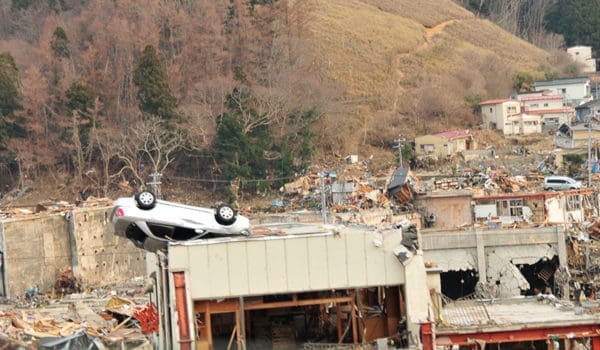
Buildings destroyed by the 2011 Tohoku earthquake released thousands of tons of climate-warming and ozone-depleting chemicals into the atmosphere, according to a new study.
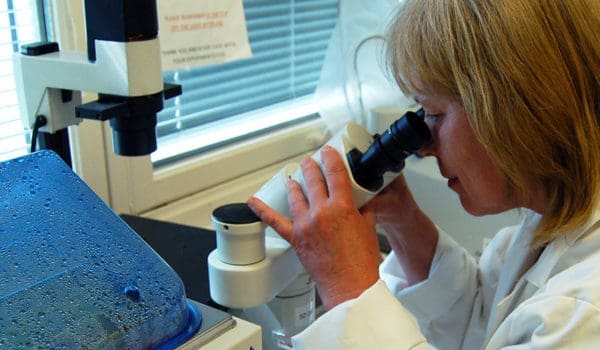
– All my life is work, says nanoscientist Maria eagerly, while she in English, and with the ease born of long practice, throws around words like cytotoxicity, genotoxicity, oxidative stress and nanomaterials. She has not been easy to “catch” for this meeting. She is head of the Health Effects Laboratory at NILU, and even more than usually engaged in her projects.
The European Environment Agency (EEA) released the new «Air Quality in Europe 2014 report» yesterday. According to the report, air pollution in Europe comes with a high price tag, and while policies have improved air quality overall, air pollution is still the main environmental health hazard.
We surround ourselves with more and more new chemicals, and are exposed daily to a vast amount of substances and mixtures of chemicals we do not really understand the effect of on an individual. We get in contact with these chemicals through food, clothes, cosmetics, furniture, air, water and other media.
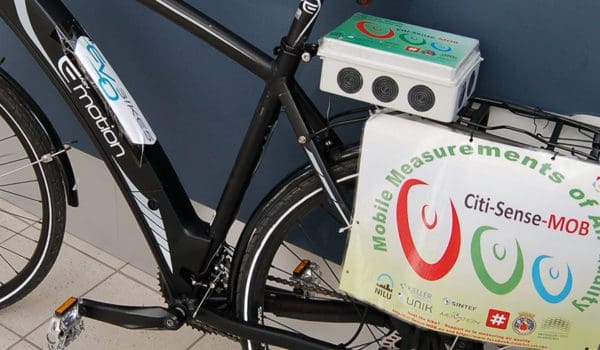
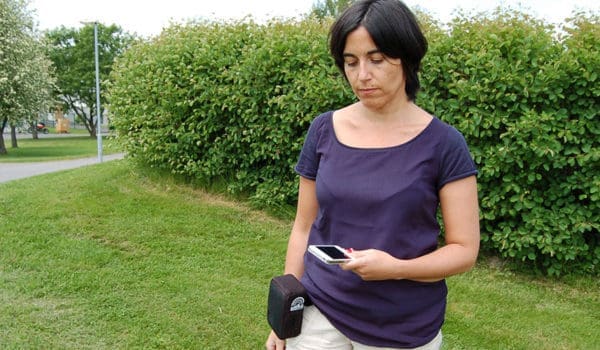
In the near future it will be possible to simplify monitoring of urban air quality through citizens by using sensor technologies and mobile applications. The EU projects CITI-SENSE and Citi-Sense-MOB aim at empowering citizens to monitor the air quality in their immediate environment and implementing measures to influence politicians and decision makers.
One would think that being nominated as one of Reuters’ Highly Cited Researchers is a great honour for all scientists. But for some, the science is more important than the reputation.
In recent years, researchers have observed that the amount of methane in the atmosphere increases. Methane is a greenhouse gas that contributes to global warming. A change in the natural methane emissions may cause the temperature to rise both higher and faster than previously thought.
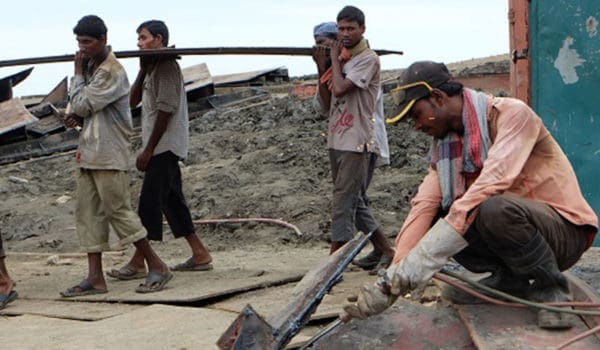
In a new study funded by The Research Council of Norway through FRIPRO, researchers from NILU – Norwegian Institute for Air Research, and the universities in Oslo, Toronto and Lancaster found that nearly a quarter of the e-waste from OECD countries floods into just seven developing countries — with major potential health risks for the people who live there.
Black and shiny with white «eyes», NILU’s latest creation stands on the work bench, waiting to be used. Finally “the cube” with its six sensors for infrared radiation is ready to hover through the clouds.
The summer holidays are here, and many of us will be enjoying the sunny side of life at the seaside. However, not only clean beaches and clear water awaits us. There is also cigarette stubs, fishing gear, the popular Norwegian disposable barbecues, bottles, cans and plastic litter.
That nice, silky smooth feeling you get when you rub yourself with lotion after the shower comes from chemicals called siloxanes. Scientists find these same substances in hair shampoo, cleaning products, car wax – and cod.
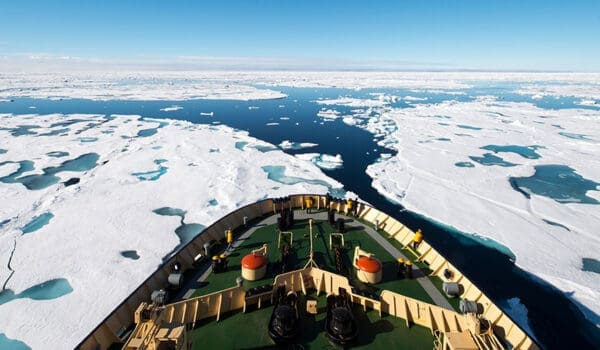
The week before Easter NILU scientists Adam Durant and Ove Hermansen are on board the research vessel “RV Helmer Hanssen” of UiT – The Arctic University of Norway, as part of the MOCA project. The purpose of the trip is to install and test for measuring methane in the atmosphere over the Arctic Ocean, in preparation for a summer campaign to determine if gas emissions from methane hydrates at the ocean floor are reaching the atmosphere. Follow the vessel here.
Globally 7 million people died attributable to the joint effects of indoor and outdoor air pollution in 2012, according to WHO. NILU’s air quality management programmes in urban areas around the world seek solutions aimed at reducing the health burden of people.
January 2014, Queen Maud Land, Antarctica: Three guys in blue anoraks peer toward the polar sun. A few meters above the ground hangs a container, shaking in a seemingly thin line on the way over to the truck bed that will carry it two kilometers away and 278 meters up. The time has come to move the Troll Observatory.
Greenhouse gas concentrations in atmosphere reach new record according to WMO. It confirms the trends we see through our measurements at Svalbard, says Cathrine Lund Myhre (NILU).
”MOCA- Methane Emissions from the Arctic OCean to the Atmosphere: Present and Future Climate Effects” is a new project at NILU.
NILU cooperates with Fredskorpset (FK) to strengthen air quality management in Bangladesh through exchange of young professionals.
According to recent media reports (example) Norway is a major source of pollution within the Murmansk county in N-W Russia. It is claimed that 45% of the total pollution in the area is originating from abroad, with Norway as an important contributor. NILU – Norwegian Institute for Air Research has worked extensively in this area, and has critical scientific objections to this assertion. NILU’s work shows that it is actually sulfur dioxide (SO2) and heavy metals that are causing pollution in the border area, not nitrogen dioxide (NOX).
GLP is a quality system to ensure the uniformity, consistency, reliability, reproducibility, quality, and integrity of experimental studies. NILU’s Health Effects Group has implemented GLP as standard quality system to perform, develop and validate methods for in vitro toxicity testing of compounds such as chemicals, aerosols and nanomaterials.