
Making Norwegian environmental data more accessible
NILU and three other Norwegian research institutes propose establishing a national data ecosystem that would provide integrated access to Norway’s environmental and marine data.
NILU and three other Norwegian research institutes propose establishing a national data ecosystem that would provide integrated access to Norway’s environmental and marine data.
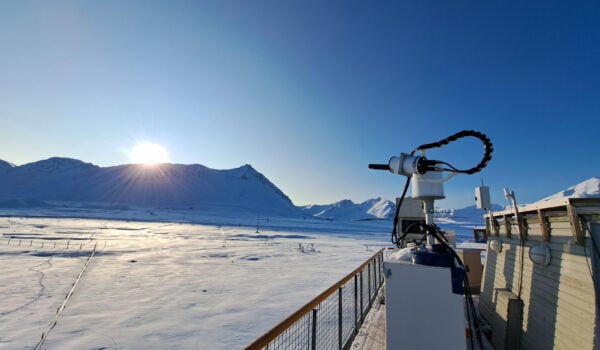
Despite low ozone values in 2025, there is no reason to panic, according to Senior Scientist Tove Svendby at NILU’s Department of Atmosphere and Climate.
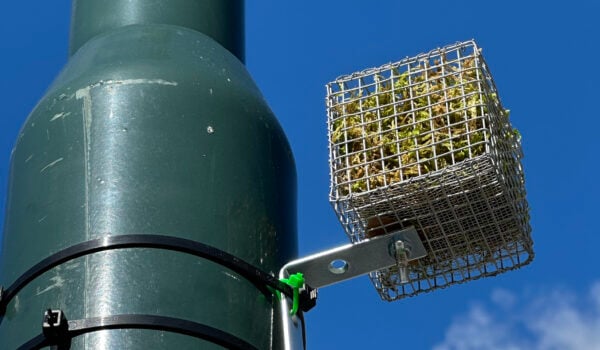
Small cubes of moss will find out how much microplastics there are in the air in Europe’s pedestrian streets.
Can a combination of machine learning, explainable KI (X-AI) and logical maps help people exercise better? NILU researcher has developed a new way to recommend exercise.
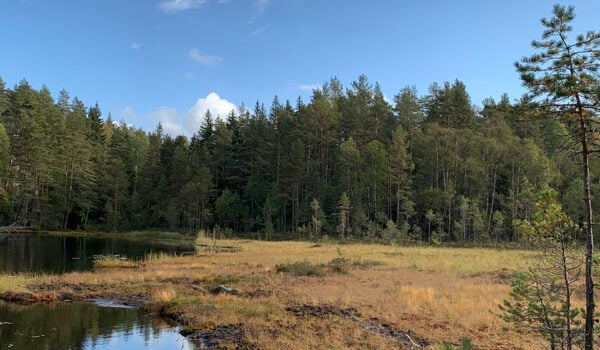
Scientists have gained a clearer picture of why methane has been increasing in the atmosphere. A new study shows that adding one extra type of measurement can help reveal whether the gas comes from microbes found in wetlands, from fossil fuel or other sources.
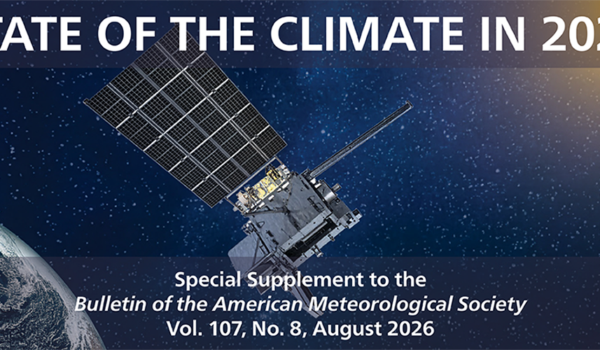
10 August 2026: According to the 36th annual State of the Climate report, greenhouse gas concentrations, temperatures and European wildfire emissions all reached record highs in 2025.
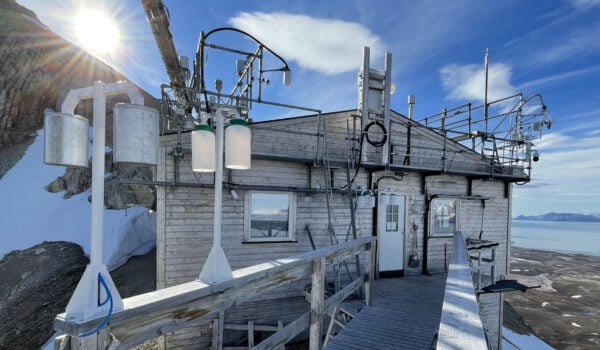
When car tire particles and other microplastics are absorbed into the air, it can travel hundreds of miles in a few days. Norway is the only country in the world that has permanent monitoring of microplastics in the air.
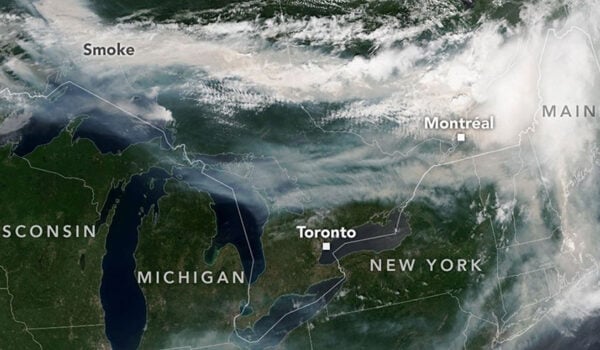
The 2026 Canadian wildfire season started a bit slower than in recent years, but in mid-July, the Canadian Interagency Forest Fire Centre (CIFFC) reports more than 850 wildfires raging across the country.
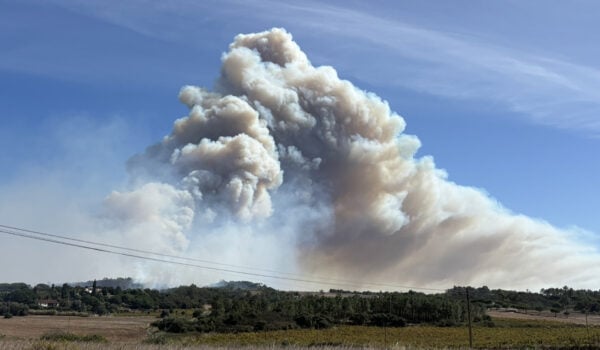
The annual CAMS report on air quality in Europe, written by researchers at NILU, shows that air quality continues to improve. However, some parts of Europe still experience local air pollution situations driven by a combination of emissions and seasonal weather conditions.
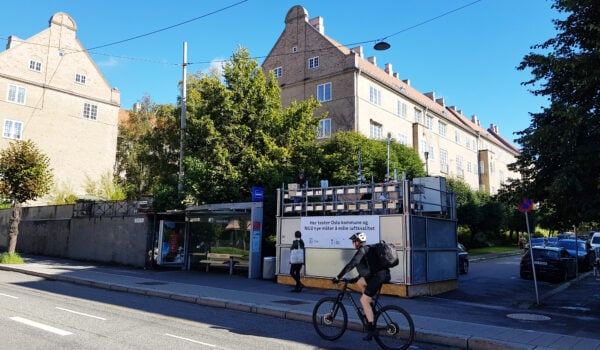
The levels of pollution remain a significant problem in Europe. This is shown by the latest air quality assessments from the European Environment Agency (EEA).

Researchers from NILU are co-organizing and presenting at the DPP4EU 2026 conference in Brussels on June 1-3. This is the largest conference on Digital Product Passports (DPPs) in Europe. Experts from research, industry, and policy will gather to discuss the future of DDP and their role in Europe’s green transition.

A new global analysis maps how economic growth in thousands of cities is evolving in relation to fossil fuel use. Satellites have been used to measure both growth and pollution.
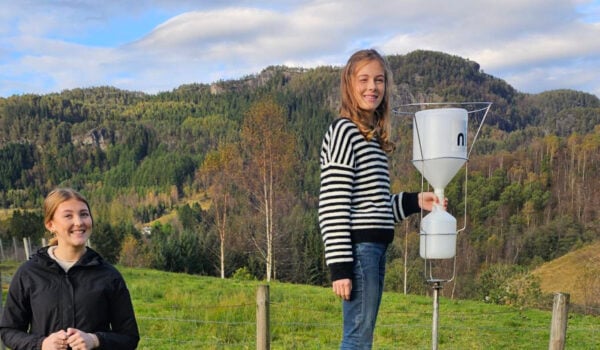
Every week, Siri Leifsen sends water samples to NILU for analysis of various substances in precipitation. She does an important job for Norway’s environmental monitoring.
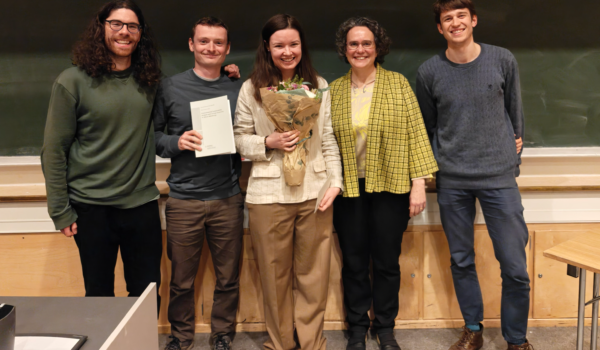
On April 22, 2026, Elisa Pastor Vallés at the Faculty of Engineering at NTNU and the Department of Environmental Effects and Sustainability at NILU defended her doctoral thesis: Environmental sustainability analysis and circular economy in silicon metallurgy
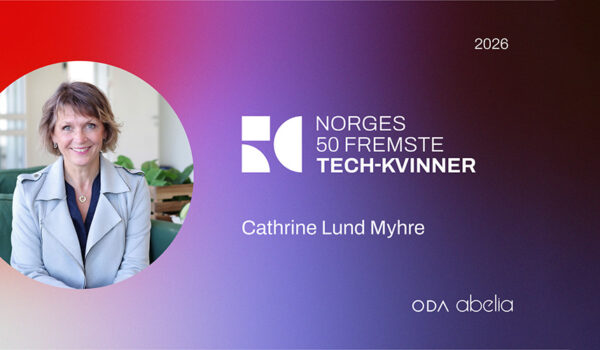
Oslo, 6 March 2026: Today, Abelia and the ODA Network launched the list of Norway’s 50 leading tech women, which includes Senior Scientist and Head of Section Cathrine Lund Myhre at NILU.
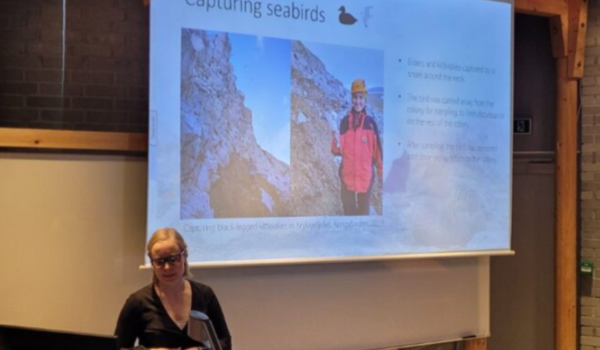
December 16 2025: Lovise Pedersen Skogeng of the Department of Arctic and Marine Biology at UiT – the Arctic University of Norway and NILU’s Department of Environmental Chemistry and Health Effects has successfully defended her PhD thesis “From Sources to Seabirds – Tracking Organic Pollutants from European Air to Arctic Seabirds over time and space“.
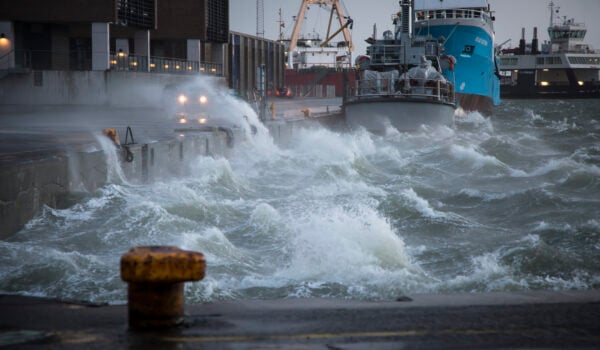
Scientists at NILU have analysed how vulnerable the Norwegian economy and business sector will be in the event of an increasing number of flood events. In the future, we may have storm surges that are three times more destructive than the worst events today.

November 17th, 2025: A group of internationally renowned marine scientists under the European Marine Board published the Future Science Brief on ‘Monitoring, Reporting and Verification for marine Carbon Dioxide Removal’ today.
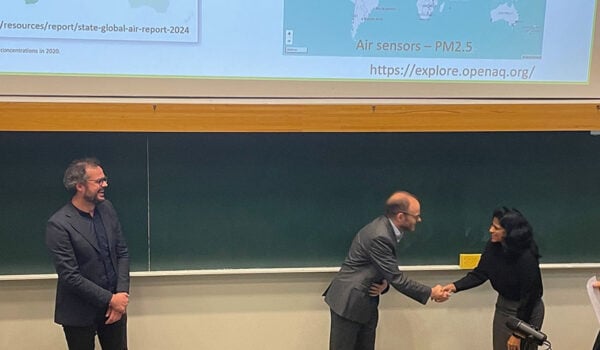
On 17 September, Shobitha Shetty of the Department of Geosciences, University of Oslo and the Urban Environment and Industry department at NILU, defended her PhD thesis Synergy of Earth Observation and Machine Learning for Air Quality Monitoring in Europe.
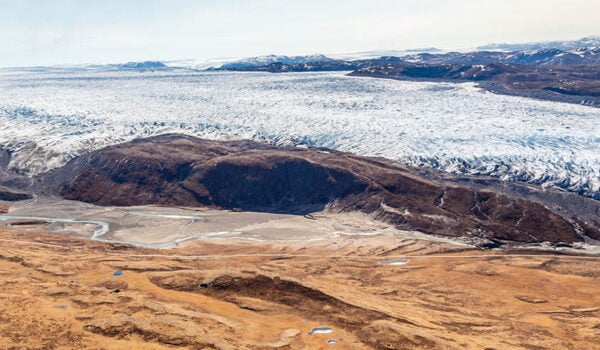
IPCC has concluded its selection of authors for its Seventh Assessment Report. Two of them work at NILU.
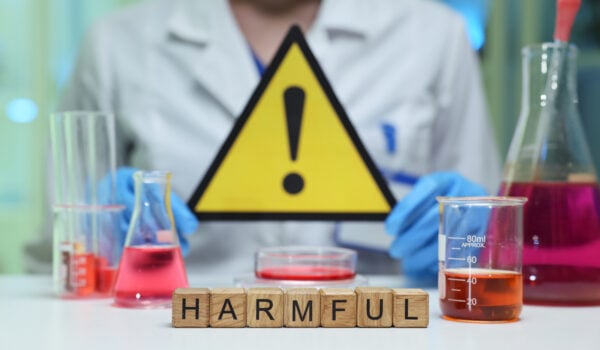
NILU continues to be in the forefront of sampling and analyzing chemicals that pose risks to the environment and human health.
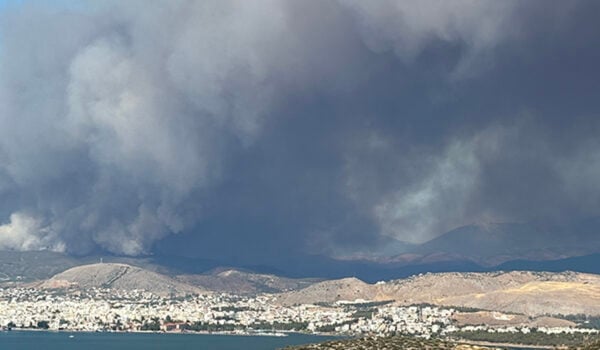
According to the 35th annual State of the Climate report, 2024 was a year of climate records: Greenhouse gas concentrations, the global temperature, global sea level, and ocean heat content all reached record highs. In addition, glaciers lost the most ice of any year on record.

The Copernicus Atmosphere Monitoring Service (CAMS) has published its 10th assessment report on air quality in Europe. It provides valuable insights into air pollution levels and episodes recorded in Europe in 2024.
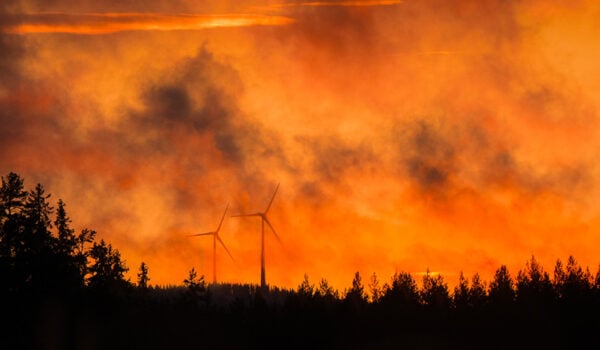
Central Europe is heading towards a hot and dry summer, with increased risk for wildfires. Here in Norway, on the other hand, the risk for rain seems to be greater than the risk of forest fires.